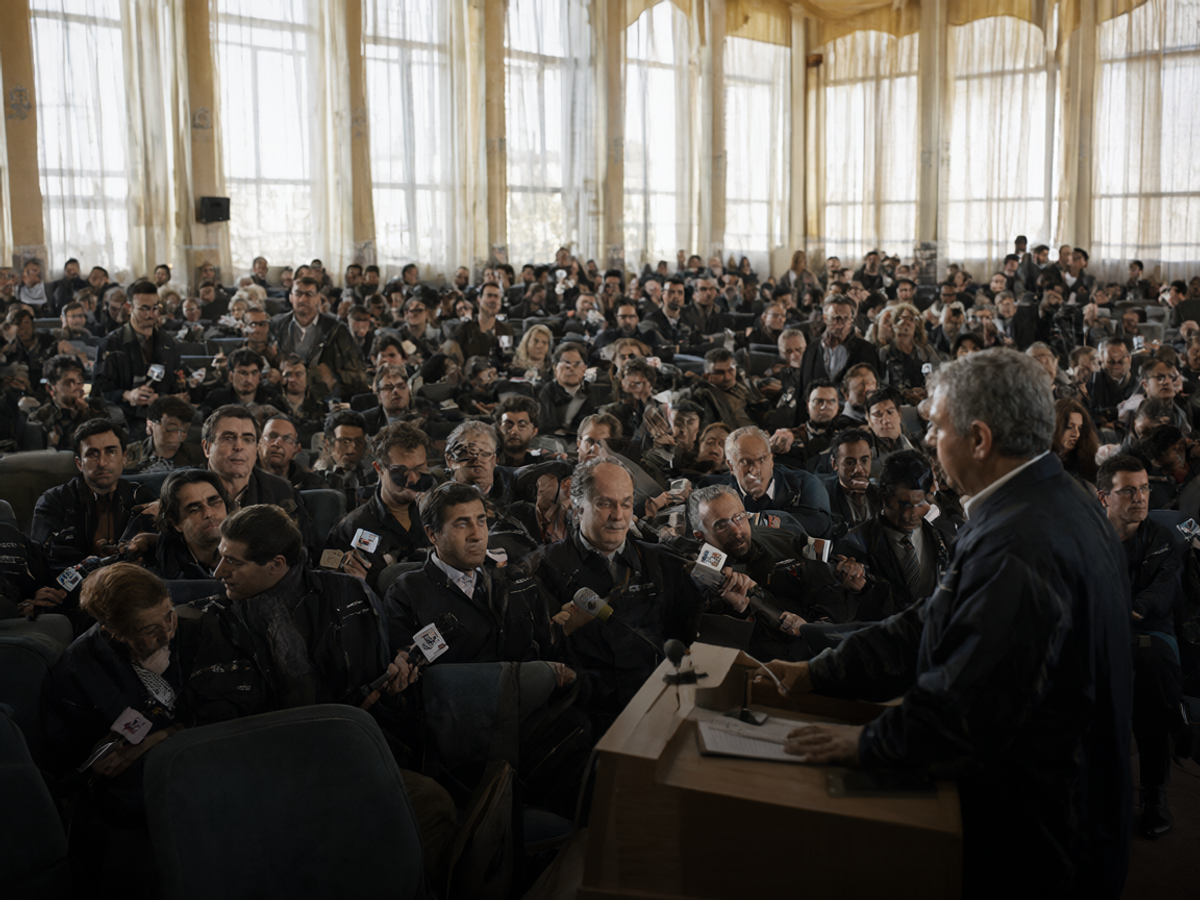
In a recent interview with the Mehr News Agency, Iran’s deputy foreign minister signaled that Tehran is prepared for both diplomacy and conflict, underscoring the country’s dual strategy in a volatile regional environment. The statement comes as Iran faces renewed U. S.
sanctions and heightened tensions with Israel, while simultaneously pursuing nuclear talks with world powers. Tehran’s leadership has long maintained a posture of deterrence alongside diplomatic engagement. On the diplomatic front, the deputy highlighted ongoing dialogue with Russia and China, as well as outreach to Gulf and Arab states aimed at building a coalition of mutual security interests.
These efforts seek to counterbalance U. S. influence and secure economic support.
Conversely, the deputy reiterated Iran’s commitment to modernizing its armed forces, citing recent missile tests and the expansion of its missile defense network. Analysts warn that such rhetoric could be a warning signal to adversaries and a bargaining chip in negotiations. The dual posture reflects a calculated risk: by projecting strength, Iran hopes to deter external aggression while keeping diplomatic channels open.
However, the fine line between deterrence and provocation is increasingly fragile amid shifting alliances. Looking ahead, observers predict a cautious escalation if U. S.
policy hardens, or a thaw if Iran’s diplomatic overtures succeed. The world watches closely, as Tehran’s balance of war readiness and diplomatic outreach will shape the next chapter of Middle Eastern stability.