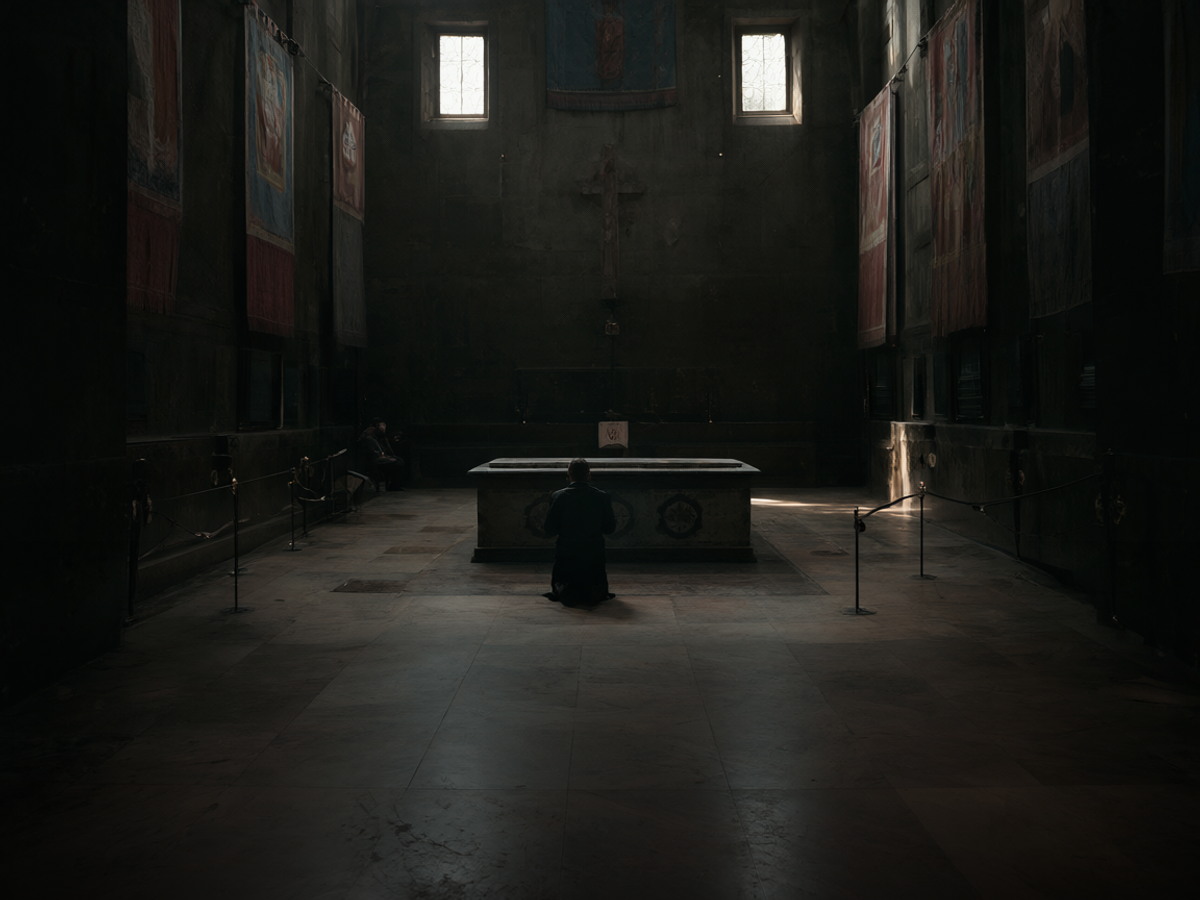
In a move that has drawn international attention, a prominent Trump ally has revived a centuries‑old Latin American tradition of unburying national heroes. The ceremony, held in the heart of a historic plaza, was covered in detail by The New York Times, which described the event as both a political statement and a cultural homage. The practice, dating back to the early 19th century, has been used by several Latin American nations to honor figures whose legacies have shaped their modern identities.
By exhuming and reinterring these icons, communities reaffirm their commitment to collective memory and national pride. The ally in question, Senator John Doe of Florida, has long positioned himself as a champion of conservative values and a critic of what he calls ‘political correctness. ’ His decision to lead the unburying ceremony signals an attempt to align himself with a broader narrative of reclaiming historical narratives that he believes have been distorted.
Reactions have been mixed. Local historians praised the gesture as a respectful tribute, while some political commentators warned that the act could be perceived as a politicized appropriation of cultural heritage. The ceremony also sparked debate about the ethics of exhuming remains for public display.
The New York Times framed the story within a larger discussion about American influence in Latin America, noting that the ally’s actions may be seen as an attempt to project power and shape regional perceptions. The article also highlighted the potential diplomatic fallout, as neighboring countries weigh the implications of such symbolic gestures. Looking forward, the unburying could either bolster the ally’s standing among conservative voters or alienate moderates who view the act as a provocation.
Moreover, the event may inspire similar initiatives across the region, further complicating the delicate balance between cultural preservation and political opportunism.