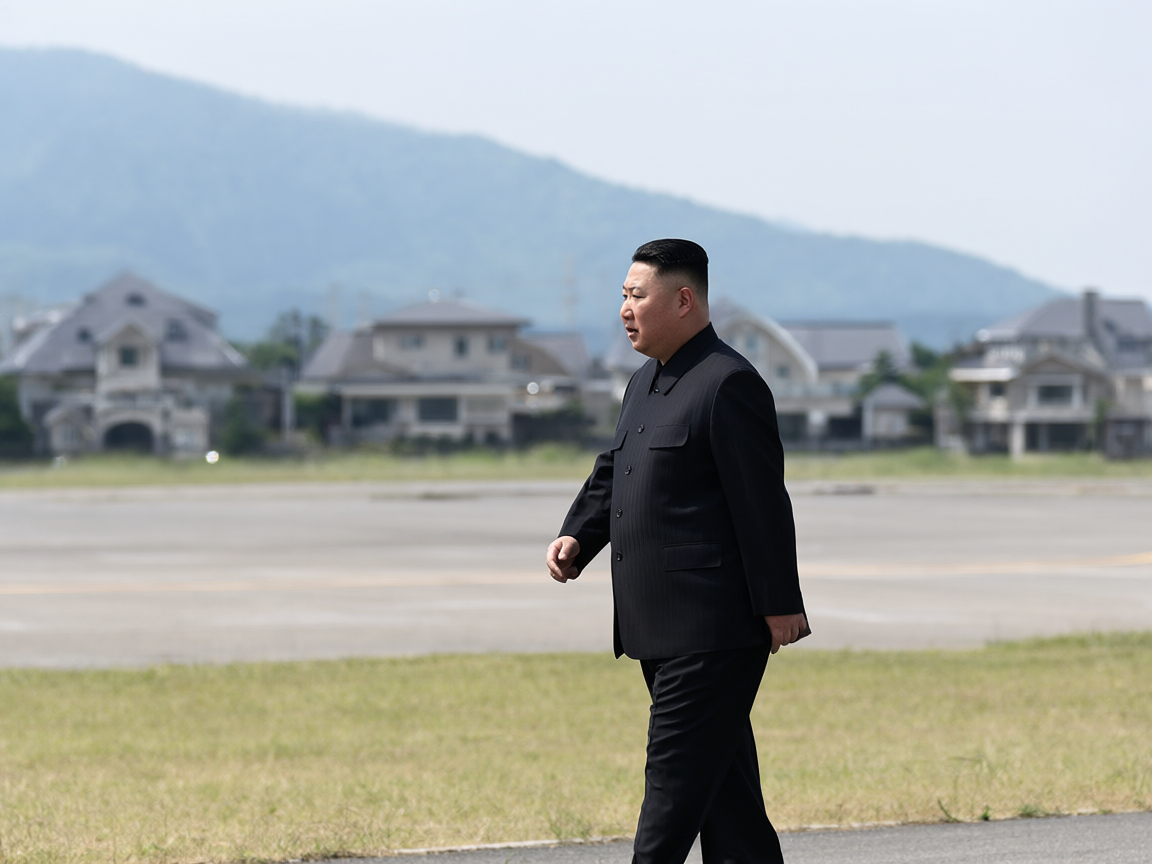
Satellite imagery released by a consortium of commercial space agencies has pinpointed a sprawling complex on the northern coast of the Korean Peninsula, identified as the summer retreat of North Korea’s supreme leader, Kim Jong Un. The site, situated near the city of Kaesong, features a series of interconnected villas, a private airstrip, and extensive security installations. Analysts estimate the complex covers roughly 150 acres, with infrastructure that suggests both leisure and strategic military functions.
This revelation offers a rare glimpse into the regime’s domestic priorities, highlighting a blend of opulence and preparedness that mirrors the leadership’s broader approach to governance and deterrence. Reactions have been muted within Pyongyang, where official statements remain vague. International observers, however, see the images as a strategic insight, prompting renewed scrutiny from intelligence agencies and defense analysts.
Beyond the immediate political implications, the discovery underscores the growing role of satellite surveillance in geopolitical analysis, potentially reshaping how nations monitor high-value assets and adapt to asymmetric security environments.