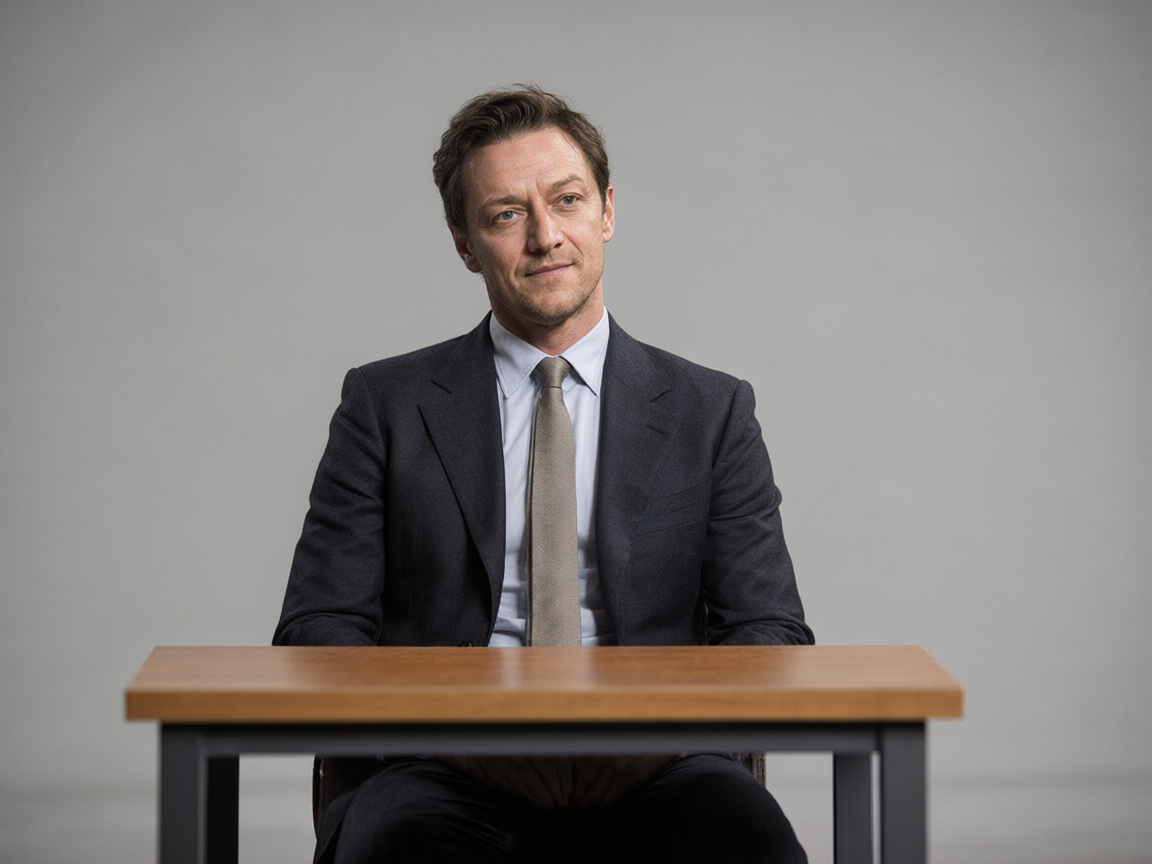
James McAvoy, known for his versatile performances across drama, horror, and superhero cinema, recently disclosed that the only film from which he still consistently receives residuals is M. Night Shyamalan’s 2016 horror thriller 'Split'. McAvoy’s career spans more than a decade, with credits ranging from the atmospheric thriller 'Speak No Evil' and the period drama 'Atonement' to the blockbuster franchise 'X-Men: First Class', yet the actor emphasized that the financial return from these projects has largely diminished.
Residuals, the ongoing payments actors receive for the reuse of their work, are typically governed by the terms of their original contracts and the longevity of a film’s popularity. In McAvoy’s case, the deal for 'Split' appears to have included a higher royalty rate, and the movie’s sustained presence on streaming services has kept the stream of income alive. When asked about the disparity, McAvoy remarked, 'You get the odd check for, you know, a couple hundred quid here or sometimes you get checks for, like…' He added that the occasional payouts from other titles are sporadic and largely dependent on limited re‑releases or special editions.
Industry analysts point out that McAvoy’s situation illustrates a broader trend: as studios increasingly shift to digital-first distribution models, the mechanics of residuals are evolving, and long-term payouts are becoming the exception rather than the rule. Peers in the acting community have expressed mixed reactions; some applaud McAvoy’s candidness, while others note that the case underscores the need for actors to negotiate more robust residual terms early in their careers. Ultimately, McAvoy’s revelation serves as a reminder that the financial legacy of a film can be unpredictable, and that the residual landscape continues to shift in tandem with changing consumption habits and platform economics.