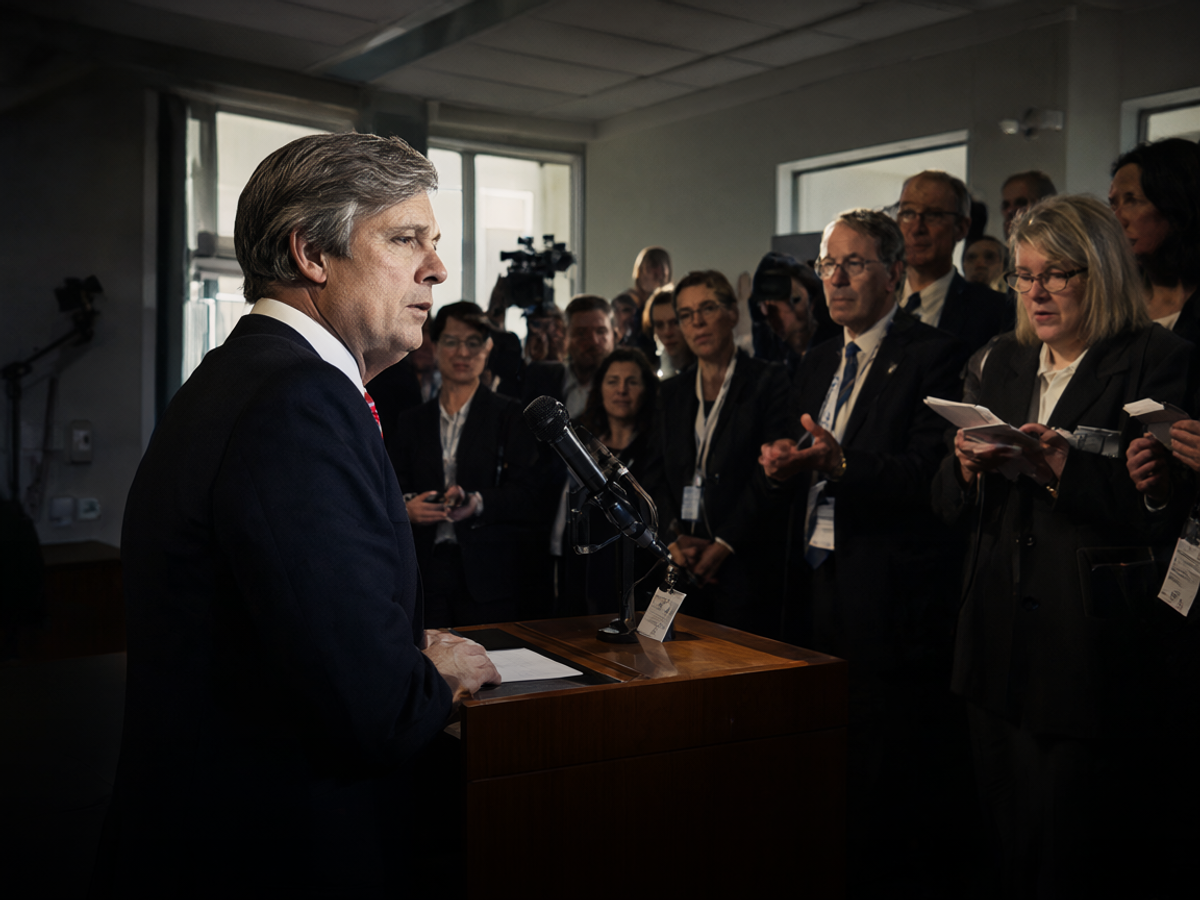
The newly appointed UK Prime Minister, Rishi Sunak, has taken a hard stance against foreign interference by publicly accusing Russia of meddling in the historic Brexit vote, a move that has sent shockwaves through both domestic and international political circles. The 2016 referendum that set the UK on a path to exit the European Union was a watershed moment, with over 51% of voters choosing to leave. In the years that followed, questions about the integrity of that vote have simmered, especially given Russia's documented campaigns to influence democratic processes in other countries.
Sunak's allegations come amid a growing body of intelligence that suggests a sophisticated disinformation network targeted at UK voters during the referendum period. According to the Prime Minister's spokesperson, the evidence includes intercepted communications, analysis of social media activity that disproportionately amplified pro-Brexit narratives, and financial transactions linked to known Russian operatives. The claims are bolstered by a review conducted by the UK's National Cyber Security Centre, which identified a surge in coordinated messaging campaigns coinciding with key stages of the referendum.
Reactions to the accusations have been mixed. While members of the opposition have largely welcomed Sunak's willingness to confront foreign influence, some lawmakers caution that the evidence remains largely circumstantial and that a formal inquiry is necessary before any punitive measures can be taken. The European Union has expressed concern about the potential diplomatic fallout, while Russian officials have categorically denied any involvement, labeling the claims as "baseless political maneuvering".
The implications of these allegations are far-reaching. The UK government is reportedly considering tightening its cyber defense protocols, expanding its intelligence-sharing agreements with allies, and introducing new legislation to curb foreign funding in domestic politics. Moreover, the accusations could strain the UK's post-Brexit relationship with both the EU and Russia, potentially affecting trade negotiations and diplomatic collaboration.
Looking ahead, the UK faces a delicate balancing act: safeguarding its democratic institutions against external manipulation while maintaining constructive engagement on the global stage. The outcome of any forthcoming investigations will likely shape the trajectory of the UK's political landscape, and may serve as a cautionary tale for other democracies confronting the pervasive threat of foreign interference.