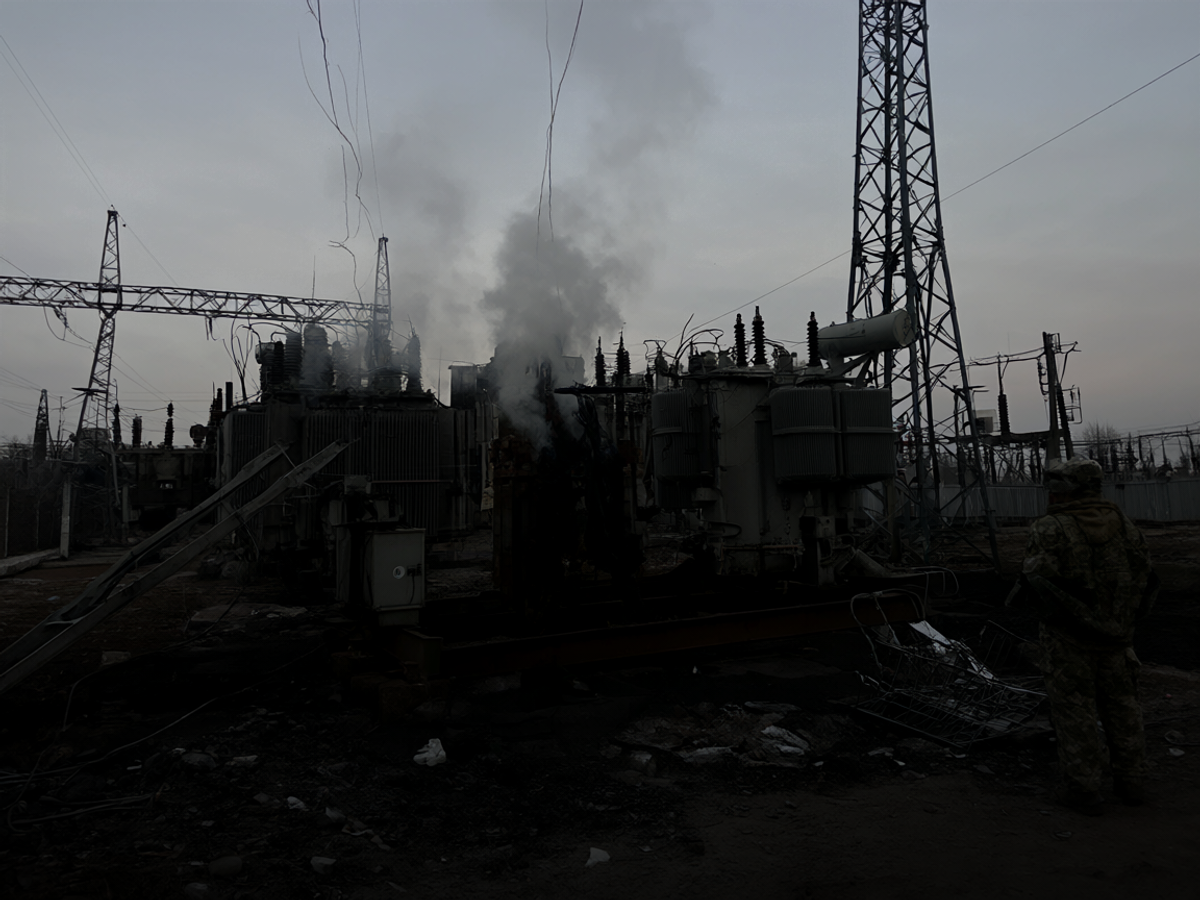
Zelenskyy said Russia continues to strike energy facilities, undermining Trump's claim of an energy ceasefire announced earlier this month. The Ukrainian president's warning comes amid heightened tensions as the U. S.
government pushes for a limited pause in hostilities, while Russia maintains its offensive against critical infrastructure. The White House announced a partial ceasefire on March 1, citing the need to protect civilians and facilitate humanitarian aid. Among its provisions, the U.
S. urged Russia to halt attacks on power plants and transmission lines, arguing that energy security is essential for both sides. The proposal was met with skepticism in Kyiv, where energy disruptions have already plunged millions into darkness.
Zelenskyy's statement highlighted that, since the ceasefire announcement, Russian forces have continued to target substations and gas pipelines, causing widespread outages across the south and east of the country. He underscored that the attacks not only threaten Ukraine's energy supply but also jeopardize regional stability by affecting neighboring states that rely on Ukrainian transmission corridors. Analysts warn that any further strikes could trigger a cascade of economic repercussions, inflating global energy prices and pressuring European markets already strained by sanctions and supply shortages.
The U. S. may face criticism for pushing a ceasefire that appears to ignore the realities on the ground, while Russia could use continued attacks to justify its narrative of protecting its own energy interests.
Looking ahead, diplomatic efforts are likely to intensify as Kyiv seeks to secure a binding agreement that guarantees protection for infrastructure. However, without concrete enforcement mechanisms, the ceasefire remains largely symbolic. The international community may need to explore new mechanisms, such as third‑party monitoring or economic incentives, to ensure compliance.
In the end, the clash between the White House's energy truce and Russia's ongoing strikes underscores a broader struggle over control of the region's lifelines. As the conflict drags on, the stakes for energy security remain high, demanding a clearer and enforceable framework to prevent further civilian hardship.