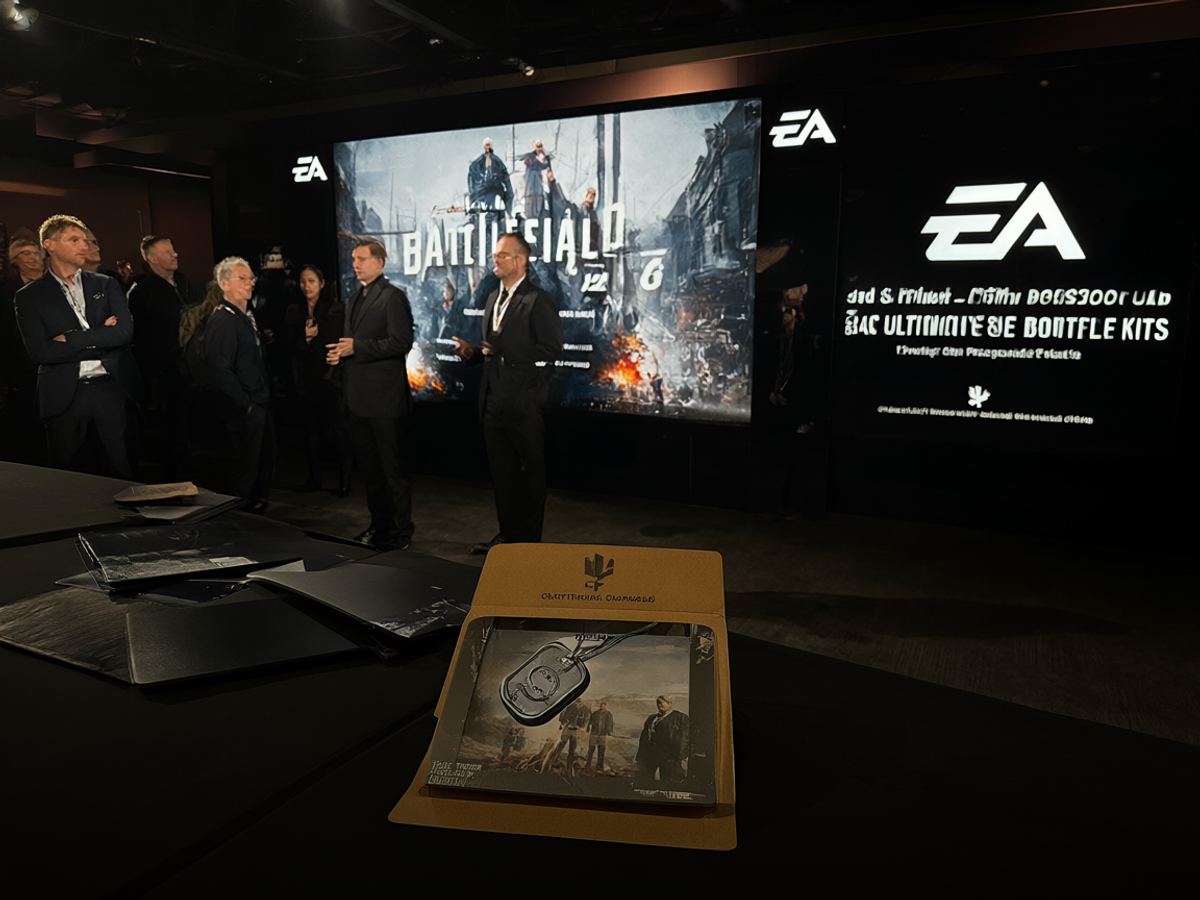
Battlefield 6 has just entered a whirlwind of changes, with the launch of its Season 5 update, an arrival on Xbox Game Pass, and the release of a Game of the Year Edition that promises new content and improved performance. But the most talked‑about addition is the recently unveiled Ultimate Shortcut Kit, a $30 microtransaction that instantly grants players every weapon and vehicle across all four classes at 100% mastery. The kit also includes exclusive cosmetic items such as the Mortal Shriek dog tag and the Field Training: Cross Trained title.
The kit mirrors the shortcut offerings that appeared in earlier Battlefield titles, but it is cheaper than its predecessors—$40 for Battlefield 3 and $50 for Battlefield 4—yet it delivers the same breadth of content. Each class receives seven fully‑mastered weapons, two vehicles, a training path, and a set of gadgets, effectively removing the need to grind through countless hours of gameplay to unlock the full arsenal. Reactions online have been polarized.
Critics argue that the kit undermines the progression system, allowing players to bypass the experience and reward structure that many enjoy. Supporters, however, welcome the convenience for those who prefer to jump straight into combat without the grind, especially given the game’s massive player base and the time constraints of modern gamers. Beyond the gameplay implications, the move comes amid a period of intense commercial success for Battlefield 6, which sold over 20 million units in the United States within three months of launch, making it the top-selling game of 2025.
Yet EA announced a staff reduction at the studio shortly after release, raising questions about how the company will balance monetization strategies with long‑term support and development. Ultimately, the Ultimate Shortcut Kit reflects a broader trend in the industry toward “pay‑to‑win” conveniences, sparking debate about fairness, player agency, and the future of progression systems in large‑scale multiplayer shooters. Whether the $30 price tag will become a standard model for future Battlefield releases remains to be seen, but the conversation it has ignited is already shaping the expectations of both players and developers alike.