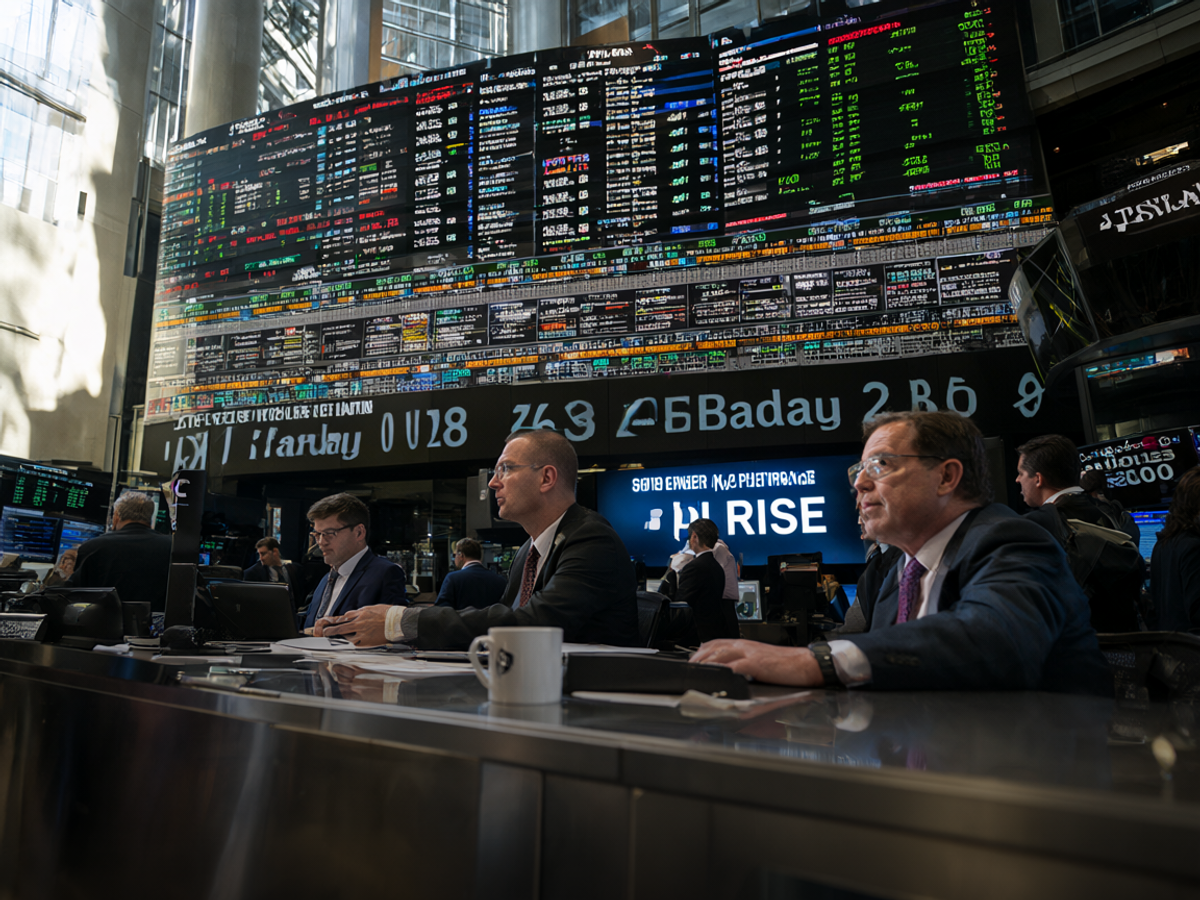
The Nasdaq Composite finished the day down 1. 2% after the U. S.
Bureau of Labor Statistics released a surprisingly high inflation reading, sparking renewed concerns that the Federal Reserve may tighten policy sooner than expected. The index slipped 1,150 points, its steepest decline in more than two months, while the S&P 500 dropped 0. 9% and the Dow Jones Industrial Average fell 0.
6%. AI and semiconductor stocks were hit hardest, with the SPDR S&P Semiconductor ETF falling 2. 3% and the Nasdaq-100 Information Technology Index falling 1.
5%. The rout was amplified by a sharp selloff in the Apple and Samsung semiconductor supply chains. The CPI report showed a 5.
4% year‑over‑year increase in consumer prices, the largest jump in 18 months. The data came just weeks before the midterm elections, raising the specter of a stronger-than‑expected inflationary environment that could force the Fed to raise rates more aggressively. Market participants are now pricing in a higher probability of a 25‑basis‑point hike in the next policy meeting.
"The market is reacting as if the Fed is about to change its stance," said Lisa Chang, senior equity strategist at Morgan Stanley. "When inflation data like this comes out, it triggers a reassessment of risk and can lead to rapid rebalancing, especially in growth sectors that are sensitive to interest rates. " The tech sector, which has been the backbone of the Nasdaq’s recent rally, is now under scrutiny.
Investors are questioning whether the high growth valuations can survive a tightening cycle, and whether the sector’s profitability will keep pace with rising input costs. The semiconductor industry, in particular, faces a double whammy of supply chain disruptions and higher raw‑material prices. Bond yields have also responded, with the 10‑year Treasury yield rising to 4.
12%, its highest level since mid‑2022. The U. S.
dollar strengthened against major currencies, reflecting a flight to safe assets amid the inflation scare. Analysts warn that the next few weeks will be critical as the market digests the data and the Fed’s forward guidance. In short, the Nasdaq’s sharp decline underscores the market’s sensitivity to inflationary signals and the potential for a more aggressive monetary policy stance.
Investors will be watching closely for further signs of rate hikes and how tech companies adapt to a tighter financial environment.