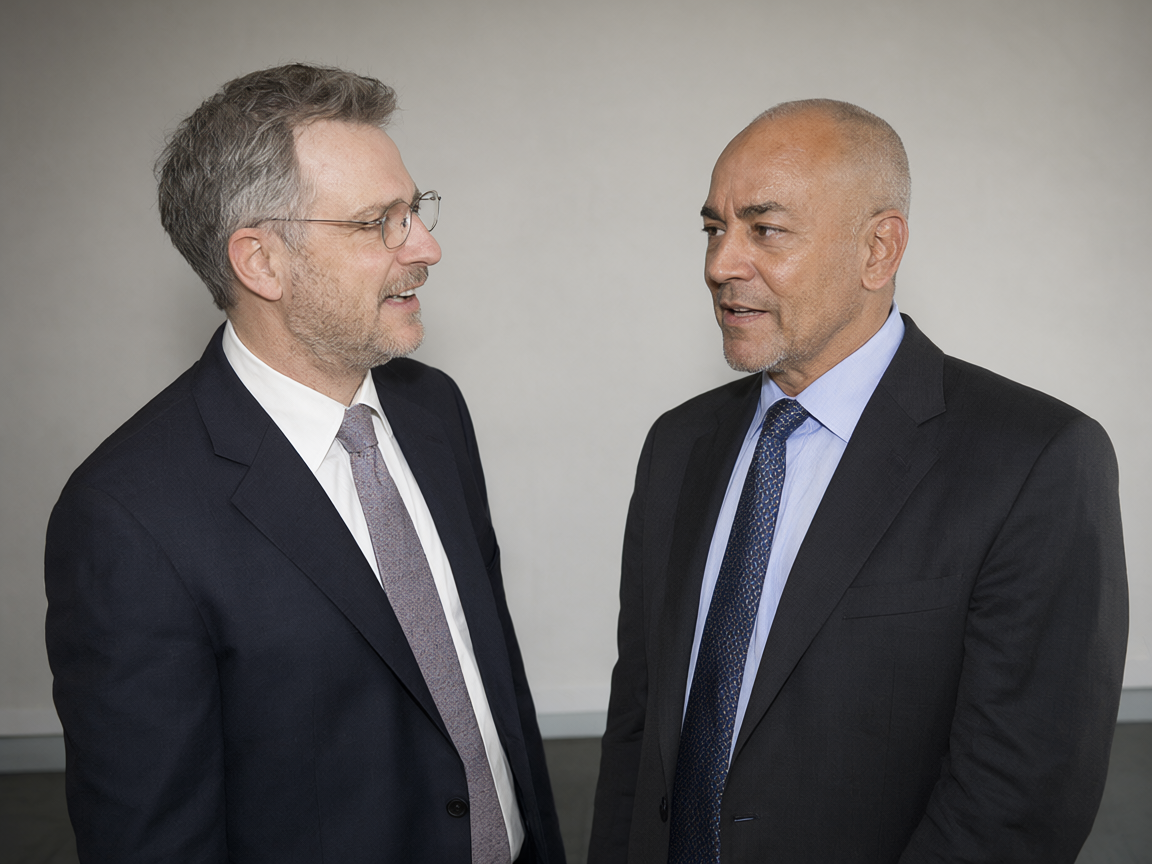
Ari Emanuel, the chief executive of the global talent agency Endeavor, recently revealed that he has been promoting his brother Rahm as a viable centrist candidate for the Democratic presidential ticket. The announcement came during a media interview in which Emanuel also addressed the growing debate over artificial intelligence, claiming that AI lacks the nuance and taste required for meaningful decision making. Emanuel’s public endorsement of Rahm is not the first time the entertainment industry has intersected with politics.
As a long‑time ally of Democratic leaders and a frequent participant in policy discussions, Emanuel has used his platform to influence public opinion. His comments underscore the power that Hollywood executives wield beyond the screen. Rahm Emanuel, former mayor of Chicago and former White House chief of staff, has long positioned himself as a pragmatic, centrist voice within the party.
His record of bipartisan compromise and his experience in both local and national politics make him a compelling, if unconventional, choice for a presidential bid. However, critics question whether his political brand can translate into broad electoral appeal. The entertainment community has reacted with a mix of curiosity and caution.
Some industry insiders see the pitch as a strategic move to shape the political narrative, while others worry about the blurring of lines between entertainment influence and democratic processes. The conversation highlights how media moguls can shape public discourse through high‑profile endorsements. Political observers have noted that Emanuel’s remarks may signal a shift in how the Democratic Party frames its messaging.
By framing Rahm as a centrist, the party could appeal to moderate voters in a polarized climate. Yet the suggestion that a Hollywood executive is actively shaping candidate selection raises questions about nepotism and the integrity of the nomination process. Emanuel’s dismissal of AI as lacking taste reflects a broader skepticism among some media leaders about the role of technology in creative work.
While AI tools can streamline production, many argue that they cannot replicate the human touch that audiences value. The comment adds to the ongoing debate about how AI will reshape content creation and the cultural landscape.